How to Improvise on Piano Like a Romantic Era Pianist
Stop playing the piano dots and start creating piano magic!
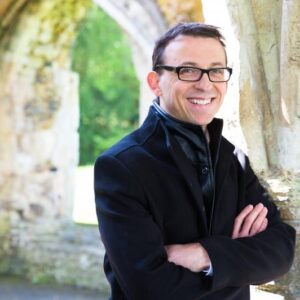
Stop playing notes and start creating them. In this world-class masterclass, renowned pedagogue Professor Bert Mooiman teaches you how to improvise on piano using the same “Historically Informed” methods that the Romantic pianists used to dazzle their audiences.
Most piano courses focus on reading sheet music. This is a historically informed deep dive using piano improvisation of 19th-century pianists. You won’t just learn a piano piece; you’ll learn the language of piano music.
How do I Improvise on Piano in a Historical Informed Way?
Ever wondered how the great pianists like Chopin, Liszt, or Czerny could sit down and effortlessly improvise a piano prelude out of thin air? They weren’t just talented; they had a system.
In this first piano masterclass of the series, Bert Mooiman breaks down the art of the Romantic Prelude. By looking at Carl Czerny’s 1829 Systematic Introduction to Improvising on the Piano (Op. 200), Bert reveals how to turn simple harmonic progressions into stunning, virtuosic improvisations.
- Use Czerny’s Piano Improvisation Method: Don’t worry – it’s not like his piano exercises! It’s more a Duolingo style piano method – absorb and shine!
- Start with Perfect Cadences: For much of the time he embellishes simple ideas with piano skills you already have.
- Music Technology & Maestro Online Mini Apps: Phrase apps, rhythm apps, practice apps, metronome apps and more.
- Bert’s 12 Step Piano Improvisation Toolkit:
Piano Tool 1: Ripple and Arpeggio
Piano Tool 2: Make it Big
Piano Tool 3: Make it Sparkle (Chromatic Scale)
Piano Tool 4: The Turn
Piano Tool 5: Pitch Range/Tessitura
Piano Tool 6: Trills
Piano Tool 7: Filling in 3rds/chord notes with chromaticism
Piano Tool 8: Approaching chord notes from a semitone below
Piano Tool 9: Melodic Elaboration (Diminution)
Piano Tool 10: Ornamentation of Chord Notes
Piano Tool 11: Modern LH Arpeggios
Piano Tool 12: Transpose Patterns
Now you are free!
The “dots” are gone, and the music is finally yours. Now, go out there and play with the unexpected!
Who is this Historically Informed Piano Improvisation Masterclass For?
- Perfect For: Pianists, organists and harpsichordists who want to improvise, composers (including A Level and Undergraduate), students trying our Creativity Grades exam syllabus List A – Romantic Era Route, but also great for Lists B and D.
- Level: Upper Intermediate to Advanced (Grade 6 and over).
Includes The Maestro Online Mini-Apps to Support Learning
Why “Historically Informed” Improvisation is the Key to a Pianist’s Musical Freedom
This masterclass takes what you ALREADY KNOW and builds on it so you can just “sit and play” piano and sound like an absolute pro. Whether you are preparing for our Creativity Grades (perfect for lists A, B and List D), or just want to stop being “safe” at the piano, organ or harpsichord, these lessons provide the tools to make your improvisation sound like you.
The Maestro Online Difference
This isn’t just a video, it’s a piano masterclass with step-by-step lessons for self study including apps, interactive scores and more from a leading European expert and is ENTIRELY historically informed, research driven.
When Can I Learn How to Improvise on Piano with Historical Accuracy?
Now! Go beyond average piano “tutorials” and apps, and let Professor Bert Mooiman enable you to just “Sit and Play”.
Frequently Asked Questions
Can I learn how to improvise on piano if I only have a classical background?
Absolutely. In fact, this course is specifically designed for the classically trained pianist. Unlike jazz-based methods, our historically informed approach uses the harmonic language, patterns, and technical vocabulary you already possess. We show you how to unlock the “creative DNA” within the music of the masters.
How does this masterclass differ from modern jazz improvisation courses?
Most modern courses focus on 20th-century idioms and lead sheets. This masterclass is a deep dive into historically informed improvisation rooted in the 19th century, focusing on the “Art of Preluding” used by virtuosos like Chopin, Schumann and Liszt.
I am a professional pianist/teacher; is this masterclass too basic for me?
Not at all. While we start with a fundamental harmonic skeleton, Bert Mooiman moves quickly into complex ornamentation and sophisticated structural development for those who need it (for intermediate pianists he has easier alternatives). Advanced players will find immense value in reframing “virtuoso” patterns as improvisational vocabulary.
Is this course suitable for very advanced or concert-level pianists?
Yes. For the high-level pianist, the challenge is often breaking away from the rigidity of the score. This masterclass provides the academic and practical framework to re-integrate improvisation into your performance practice, a skill that was expected of all virtuosos in the Romantic era but is rarely taught in modern conservatoires today.
Why does this course focus on Carl Czerny’s Op. 200?
Czerny was the bridge between Beethoven and the high Romanticism of Liszt. His 1829 Systematic Introduction to Improvising (Op. 200) is one of the most practical “how-to” guides ever written. It offers a concrete blueprint for constructing preludes, showing that improvisation is a learnable, systematic skill. He was the most in-demand and highly paid piano teacher of his generation.
🎵 Why Choose Our Music Learning Platform?
Unlock a rich, flexible, and inspiring music education experience designed for musicians of all levels. Whichever area of musical learning inspires you, our world-class performers offer it all.
A Quick Look at a Typical Masterclass Course
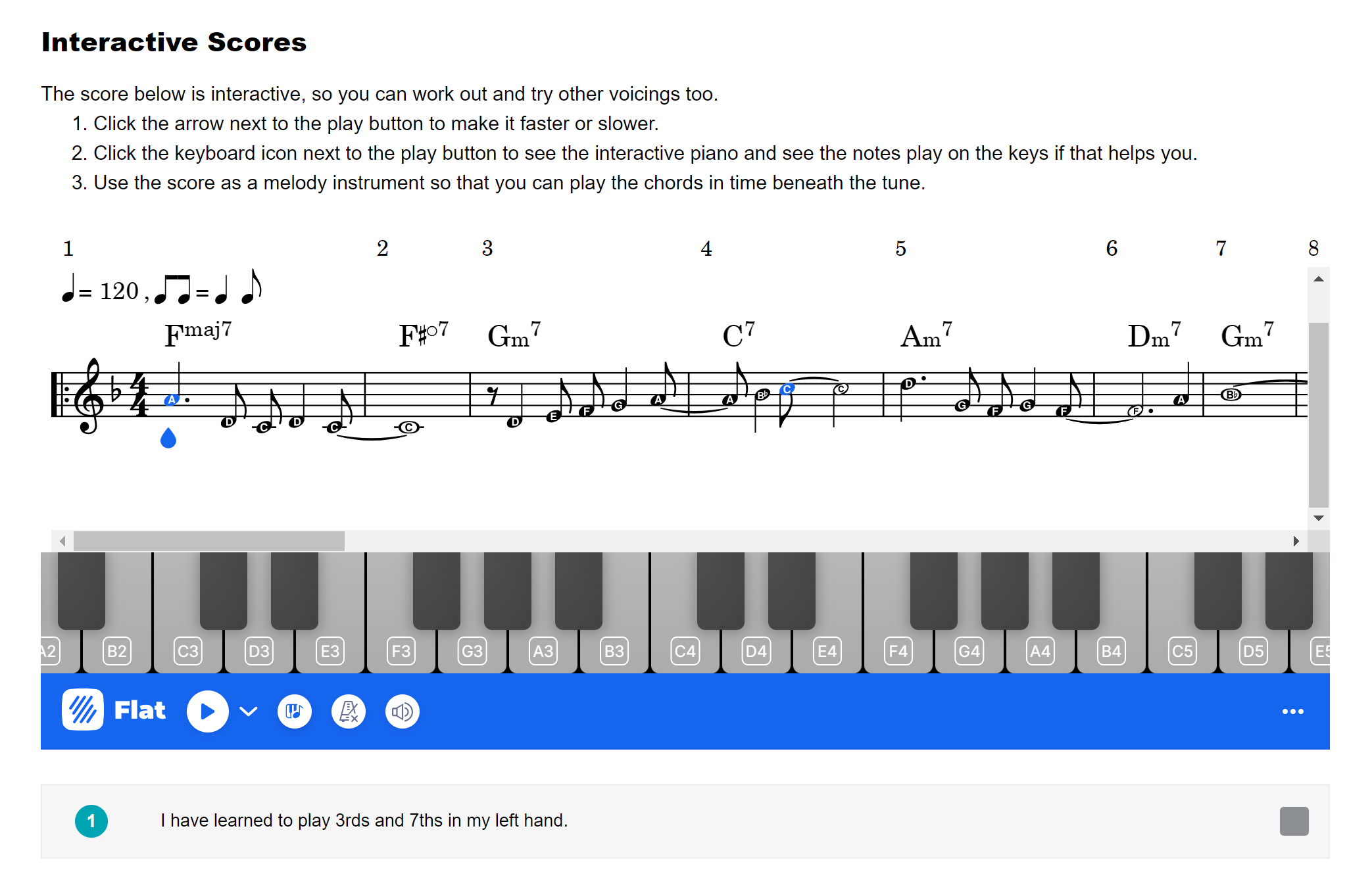
Sample Interactive Score
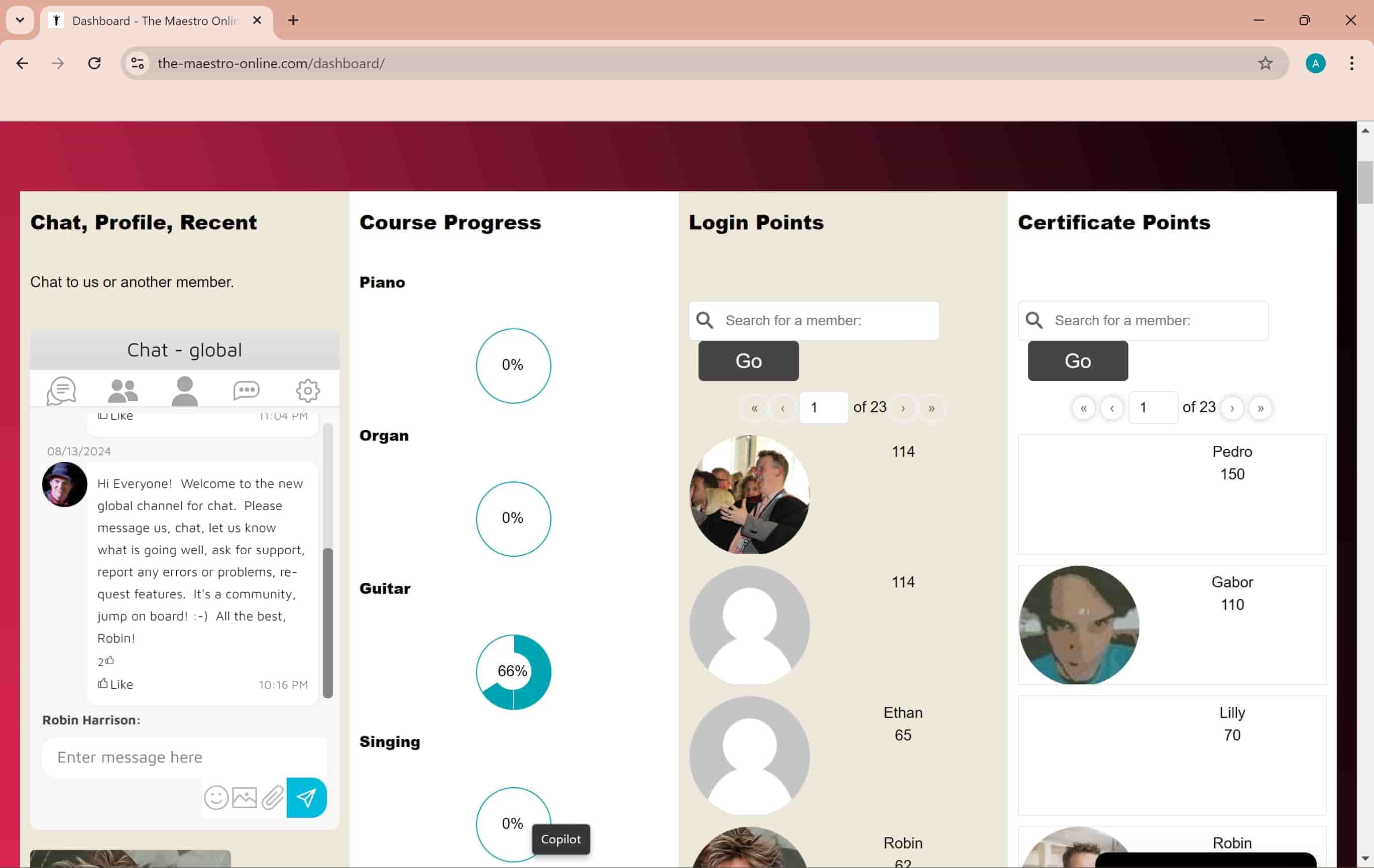
Course Dashboard with Progress and Points
 Thorough Musicianship
Creativity, improvisation, and ear training are seamlessly integrated with popular, gospel, classical and jazz melodies to help you achieve true musical freedom.
 Unique Learning Journey
Our tailored methodology emphasises improvisation and aural skills first, with notation used to support—not restrict—your creativity.
 Certification
Courses include clear objectives, tasks, and fun quizzes that lead to downloadable certificates—perfect for motivation and recognition.
 Gamification
Track your progress and climb the league tables by earning certificate points and logging in regularly.
 ️ Interactive Software
Our custom music software links visual notation with sound to enhance your creativity and understanding.
 Celebrity Masterclasses
Learn from internationally acclaimed musicians and award-winning performers through high-quality video lessons and real-world demonstrations.
 Expert Pedagogy
Each self-study course is structured with professional teaching principles, goal-setting, progress tracking, and step-by-step tasks.
 Flexible Learning
Study from home, at your own pace. Affordable monthly fees and no need to travel—music learning that fits your lifestyle.
 Human Touch
Get personalised support from our expert team and request custom courses tailored to your goals.
 Personalised Experience
Receive bespoke course recommendations and guided learning plans based on your interests and skill level.
 For All Levels
A wide range of self-study courses, celebrity masterclasses, and optional 1-1 lessons designed for adult and teenage musicians, university/conservatoire students, home schoolers, and music therapists.
______________________________
 A Quick Look at a Typical Masterclass Course
•  Celebrity video lessons
•  Objectives & exercises
• Progress tracking
•  ️ Interactive music software
• Certificate on completion

(over £2000 of content included)