How Can I Improvise a Plein Jeu?
Unleash the Majesty of the French Classical Organ
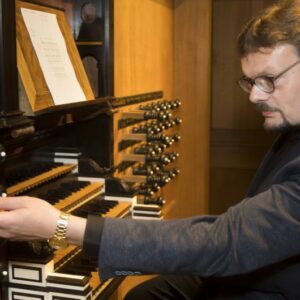
Step into the shoes of the French masters with Samuel Liégeon, one of the world’s most celebrated improvisers. This masterclass dives deep into the heart of the Plein Jeu—the iconic “Full Chorus” (minus reeds) sound that defines the French Baroque era.
Whether you’re playing a historic Cliquot or a modern electronic instrument, Samuel Liégeon teaches you how to improvise the perfect “Plein Jeu” sound, harmony and structure. Master the art of the 4-3 suspension, ascending 9th, and navigate the “Harmonic March” like a pro.
What will Organists Gain?
- Registration: How to build the Grand Plein Jeu (16, 8, 4, 2 + French Mixtures).
- Stylistic Mastery: Learn the “unhurried” overture style that balances tension and release.
- The “Surprise Minor v”: A harmonic trick to instantly elevate your improvisation.
- Expert Guidance: Led by world-class organist and global prize-winner, Samuel Liégeon, titular organist at St Pierre de Chaillot, Paris.
- Historically informed: Using Plein Jeu’s from the French Classical (Baroque) era and harmony methods from the time.
- Mini Apps and Interactive Scores: Utilise our mini practice apps and interactive, transposable scores.
What Will I Learn in this French Classical Plein Jeu Organ Improvisation Masterclass?
- Registration: 16, 8, 4, 2 Principal stops, Cymbale and Fourniture, Positif and Grand Orgue coupled
- The Plein Jeu Compositional Concept: A strong, stately piece, showcasing the strength of the principal chorus and repeated dissonance-resolution strategies
- Openings: Unfolding of the tonic chord.
- Harmonic Marches: Sequential variants of the Circle of 5ths, Rameau’s treatise being a prime resource as well as Boyvin and Nivers.
- Harmonic March modification: The modification of sequences to create interest and change direction, often by just altering one note of a chord.
- Systematic Practice Methods: including harmonic marches and Nivers inspired approaches to chord progressions.
- The 4-3: The most common suspension in all French music and an important part of the final cadence.
- Dominant Major-minor: The dramatic colour created by playing the minor version of the dominant chord after the Major.
- 7ths and 9ths: the importance of intense dissonances, the occasional rising resolution of these dissonances.
- Cadential Approaches: approaching from the subdominant side and often using the minor version of chord iv even in a major key.
- Cadences: The use of the 4-3 suspension and 7th.
- Skeleton Resources: Boyvin’s figured basses.
- Historical Sources: including Boyvin, Couperin, Clérambault, Du Mage, Marchand, De Grigny, Rameau, Raison, Guilain, Nivers and Gigault.
Who is the Plein Jeu Organ Improvisation Masterclass for?
- Grade 7 and above: You will be learning Circle of 5th chord progressions from the era.
- Diploma/Degree Level Organists, Conservatoire Organists: Understand French Classical Repertoire from a composer’s perspective. Perfect for Royal College of Organists diplomas, Royal Canadian College of Organists and American Guild of Organists, those studying Organ and Church music in Germany.
- Cathedral Organists: Forget that “Cathedral waffle” and improvise organ authentically in the French Classical style.
- Keyboard Harmony: An excellent keyboard harmony method for those who already have a basic understanding.
- Historically Informed & Research Based: Boyvin, Couperin, Clérambault, Du Mage, Marchand, De Grigny, Rameau, Raison, Guilain, Nivers and Gigault are all French organ authorities from the time.
- Future Composers: Anyone who wants to expand their organ composition skills.
- Perfect For: All students trying our Creativity Grades exam syllabus List A – Famous Organists’ Pathway and is particularly suitable for our higher level organ exams. It’s also suitable for pianists and harpsichordists.
Frequently Asked Questions
1. What exactly is a “Plein Jeu”?
In the French organ world, it’s both a sound and a vibe. Registration-wise, it’s the “Full Chorus” (think foundational Principals plus bright mixtures). Stylistically, it’s a stately, calm opening movement—the grand “hello” of an organ suite.
2. I don’t have a massive French-style organ. Can I still do this?
Absolutely! Sam’s golden rule is: “Register with your ears, not your eyes.” Even if your stops have English or German names—or if you’re on a digital instrument—we’ll show you how to find the closest timbre to achieve that authentic French “zing.”
3. Who is Samuel Liégeon?
He’s the titular organist at Saint-Pierre de Chaillot in Paris, a Grand Prix winner at the Haarlem International Competition, and an abstract painter. He doesn’t just play music; he paints soundscapes. He’s basically the cool, artistic French cousin we all wish we had.
4. What on earth is a “Surprise Minor v”?
Try the course and discover a range of Plein Jeu Organ harmony tricks!
5. Is phrase length really that flexible in Baroque music?
In the French style, yes! While some German music is very “2+2=4,” the French Plein Jeu is free and improvisatory. If you need three extra bars to let a chord breathe or reach a new key, take them. It’s all about the feel.
6. Do the suspensions really go UP?
They do! While most textbooks say suspensions must resolve downwards, the French Classical era loves a “rising retardation” (7ths and 9ths moving up). It’s technically rebellious, and it sounds divine.
🎵 Why Choose Our Music Learning Platform?
Unlock a rich, flexible, and inspiring music education experience designed for musicians of all levels. Whichever area of musical learning inspires you, our world-class performers offer it all.
A Quick Look at a Typical Masterclass Course
Sample Interactive Score
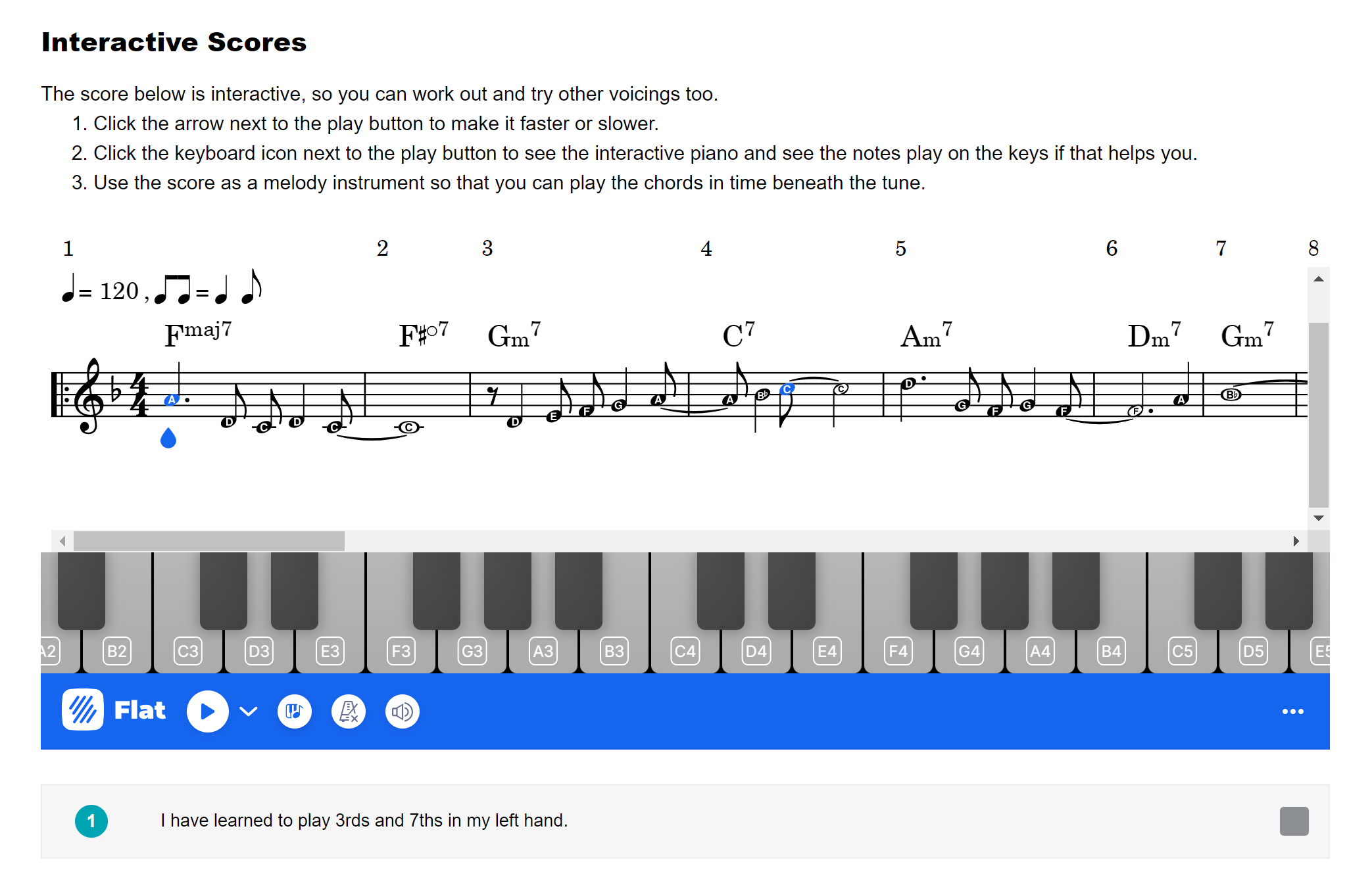
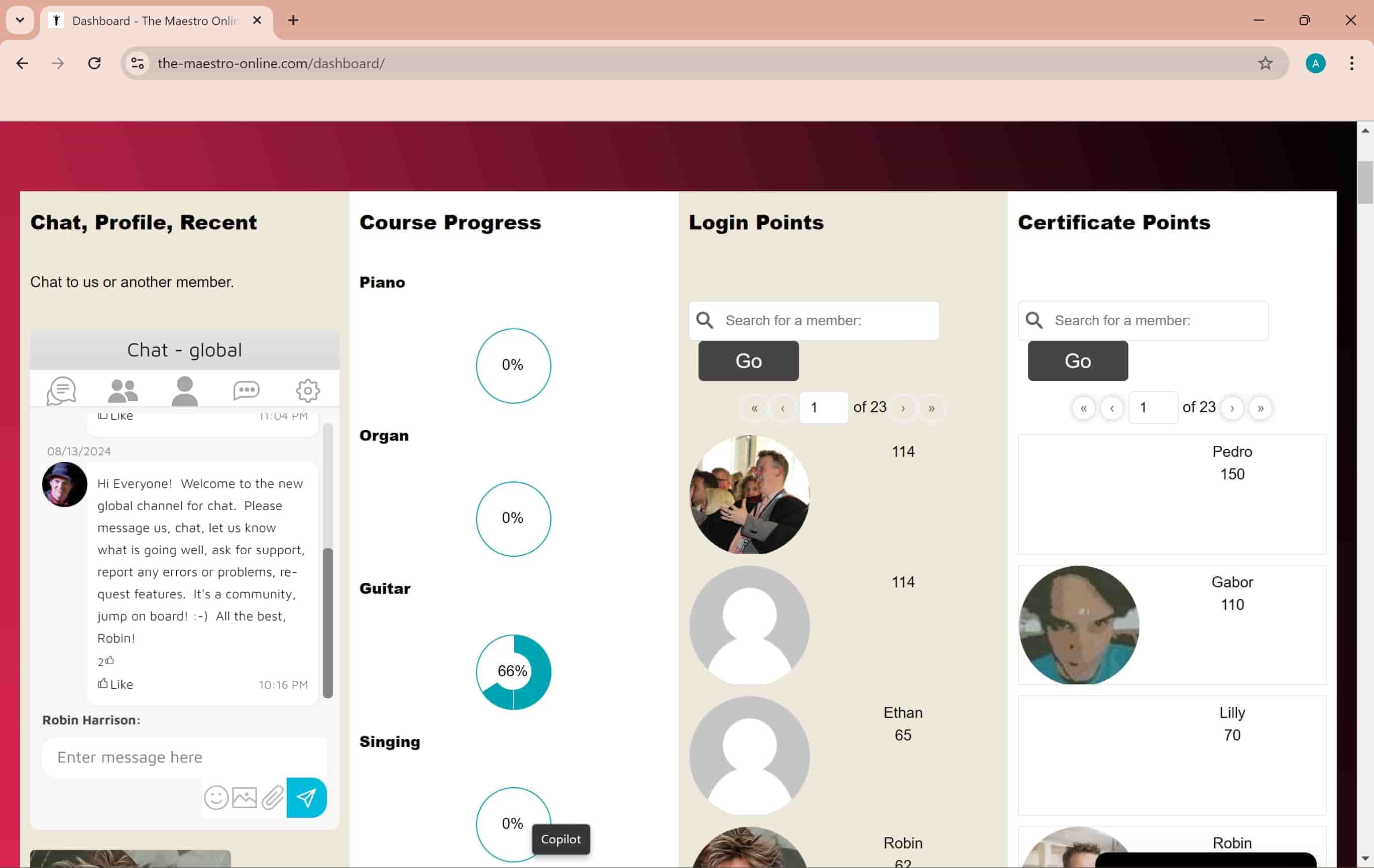
Course Dashboard with Progress and Points
 Thorough Musicianship
Creativity, improvisation, and ear training are seamlessly integrated with popular, gospel, classical and jazz melodies to help you achieve true musical freedom.
 Unique Learning Journey
Our tailored methodology emphasises improvisation and aural skills first, with notation used to support—not restrict—your creativity.
 Certification
Courses include clear objectives, tasks, and fun quizzes that lead to downloadable certificates—perfect for motivation and recognition.
 Gamification
Track your progress and climb the league tables by earning certificate points and logging in regularly.
 ️ Interactive Software
Our custom music software links visual notation with sound to enhance your creativity and understanding.
 Celebrity Masterclasses
Learn from internationally acclaimed musicians and award-winning performers through high-quality video lessons and real-world demonstrations.
 Expert Pedagogy
Each self-study course is structured with professional teaching principles, goal-setting, progress tracking, and step-by-step tasks.
 Flexible Learning
Study from home, at your own pace. Affordable monthly fees and no need to travel—music learning that fits your lifestyle.
 Human Touch
Get personalised support from our expert team and request custom courses tailored to your goals.
 Personalised Experience
Receive bespoke course recommendations and guided learning plans based on your interests and skill level.
 For All Levels
A wide range of self-study courses, celebrity masterclasses, and optional 1-1 lessons designed for adult and teenage musicians, university/conservatoire students, home schoolers, and music therapists.
______________________________
 A Quick Look at a Typical Masterclass Course
•  Celebrity video lessons
•  Objectives & exercises
• Progress tracking
•  ️ Interactive music software
• Certificate on completion

(over £2000 of content included)